
The Trump administration has presented a proposal to reduce the bodies of water protected under the Clean Water Act, redefining what is considered a “body of water of the United States.” Among those affected are wetlands, underground aquifers, and ephemeral streams, which would be excluded from federal regulation on dumping, filling, or dredging.
The measure has indirect implications for the metal packaging industry and can recycling, since used beverage containers often end up in waste management systems that depend on environmental regulations to prevent them from reaching rivers, lakes, or sensitive areas. Activists warn that limiting the protection of bodies of water may increase pollution and hinder the recovery of recyclable materials, including aluminum.
The administrator of the EPA, Lee Zeldin, defended the proposal as a balance between environmental protection and economic development, assuring that property owners will not need to spend money on consultants to know if they have protected waters on their land. However, experts and environmental organizations warn that the rule will favor large polluters and jeopardize recycling and resource conservation programs such as aluminum cans.
The controversy comes after the Supreme Court’s 2023 ruling, which already limited the protection of wetlands to those with a “continuous surface connection” to protected waters, and after the Biden administration attempted to implement a broader definition. The new proposal seeks to further narrow the regulation, which, according to critics, could affect the sustainability of metal packaging and its proper recycling.
 Steel for Packaging Defends Metal Packaging Against Food Waste and Warns About Greenwashing
 Ball Bets on Packaging Water in Aluminum Bottles in its Commitment to the Circular Economy
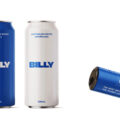 Australia’s Billy Water launches its 100% spring water in aluminum cans
 APEAL supports new measures voted by the European Union on packaging and packaging waste
 APEAL (steel for packaging) APPLAUDS PLENARY VOTE TO IMPROVE RECYCLABILITY MEASURES IN PPWR
 The key policy principles of the EPM for metal packaging recycling in Europe
 Alexis Van Maercke takes the stage at interpack Metalpackaging Day
 Metal Packaging Europe supports EU proposal
 CAMPAIGN LAUNCHED TO INCREASE METAL PACKAGING RECYCLING RATES IN SUFFOLK