
Ardagh Metal Packaging reported a 12% increase in sales during the 2025 fiscal year, reaching $5,497 million, compared to $4,908 million in 2024. This growth was driven by an increase in global can shipments, reflecting strong demand in canned beverage categories and solid performance in key markets such as the Americas and Europe.
Adjusted EBITDA also showed an increase of nearly 10%, reaching $739 million, thanks to a more efficient product mix, operational improvements, and a strategic focus on cost optimization. CEO Oliver Graham described the company’s performance as a “strong showing”, highlighting the company’s resilience in the face of regional volatility in sales volumes and input prices.
During 2025, global can shipments grew by more than 3%, with particularly notable momentum in North America and Western Europe, where demand for canned beverages continued to rise. The company emphasizes that this growth is not limited to volume: the improvement in product mix allowed for increased profitability and strengthened the company’s competitive position in mature and emerging markets.
Ardagh Metal Packaging operates 23 plants in nine countries, which provides it with a solid global presence and the capacity to handle both high volumes and more specialized productions. The company has invested in process optimization, innovation in metal packaging, and logistics efficiency, aiming to maximize flexibility and sustainability in its supply chain.
Furthermore, the company maintains its strategy of selective growth and expansion into high-value segments, combining increased production capacity with the implementation of improvements in its existing operations. This has allowed Ardagh not only to increase revenue and margins but also to reinforce its reputation as a reliable global supplier of cans and metal packaging.
The positive balance sheet for 2025 reflects the strength of Ardagh’s business model, based on operational efficiency, a focus on innovation, and agile response to beverage market trends, while consolidating its position in a sector characterized by competition and dynamic consumption changes.
 Metal packaging for pets boosted Silgan’s sales in 2025
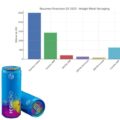 Ardagh reaches $2.5 billion in revenue and over $1.4 billion in the metal packaging division in Q3 2025
 Silgan Holdings boosts sales and profits in the third quarter thanks to metal packaging and specialized closures
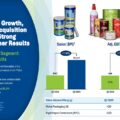 Sonoco Achieves a 49% Increase in Profits in Q2 2025
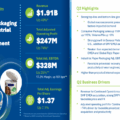 Sonoco Achieves a 49% Increase in Profits in Q2 2025
 Baosteel Packaging Records $610 Million in Sales in First Half of 2025
 Ardagh Metal Packaging Raises Forecasts after a Solid Second Quarter
 AB InBev Starts 2025 with Solid Growth Driven by Brands like Corona
 Ardagh Metal Packaging starts 2025 with a first quarter above expectations